Our rating system
A score without a public grid is worthless: it’s just an opinion dressed up as a number. Here is ours, in full, applied without exception.
The criteria
- Performance (35%)
- What the machine actually does — measured, or documented at the source
- Practicality (20%)
- What *you* do, every week: maintenance, consumables, settings
- Reliability (20%)
- The flaws that keep coming back in reports after months of use
- Value for money (25%)
- What you get for your money, at the real price right now
What each criterion measures
Performance. The number a manufacturer leads with is almost always the most misleading one, because it was chosen to flatter. So we rate the whole picture rather than the single figure on the box: what is measured, what is documented, and what degrades under real-world conditions.
Practicality. A product that demands attention every week isn’t worth one you can forget for a month. We rate what is actually left for you to do by hand — the thing a spec sheet never tells you.
Reliability. What user reports reveal after months of use: the faults that recur, the parts that fail, what after-sales support actually agrees to cover. No launch-day test sees any of it.
Value for money. The only criterion that moves over time, because it depends on the real price right now, not the list price at launch.
The scale
| Score | What it means |
|---|---|
| 9.0 – 10 | Dominates its category on several criteria. Rare. |
| 8.0 – 8.9 | Very good product, no deal-breaking flaw. |
| 7.0 – 7.9 | Good product, with a clear trade-off. |
| 6.0 – 6.9 | Decent, but outdated or overpriced. |
| < 6.0 | Avoid: another model does better for the same price. |
We only score what we can justify. A score rests on the model’s standard spec sheet and on documented real-world feedback. It doesn’t claim to predict three-year reliability — nobody can, and sites that say otherwise are guessing.
Why our scores don’t follow prices
If our grid were lenient, the score would rise with the price. It doesn’t: a well-designed entry-level model can beat a poorly thought-out flagship, and it happens regularly.
That’s the mechanical result of a grid applied without exception — and exactly what a ranking aligned with commercial interest would never produce.
Frequently asked questions
Is a score of 8/10 good?
Yes. Our scale isn’t lenient: 8/10 means a very good product with no deal-breaking flaw. Above 9, a machine has to dominate its category on several criteria at once. We don’t hand out 9.5 to everything that comes out.
Why does value for money carry so much weight?
Because it’s the question you’re actually asking. An excellent product at a premium price that doesn’t outperform a very good one at half the cost isn’t a good buy, whatever its raw performance. The score reflects what you get for your money, not just what the machine can do.
Does the score change over time?
Yes, and that’s by design. Value for money depends on the price: a heavily discounted model sees its score rise, one superseded by its successor sees it fall. Every page carries its update date.
The best picks right now
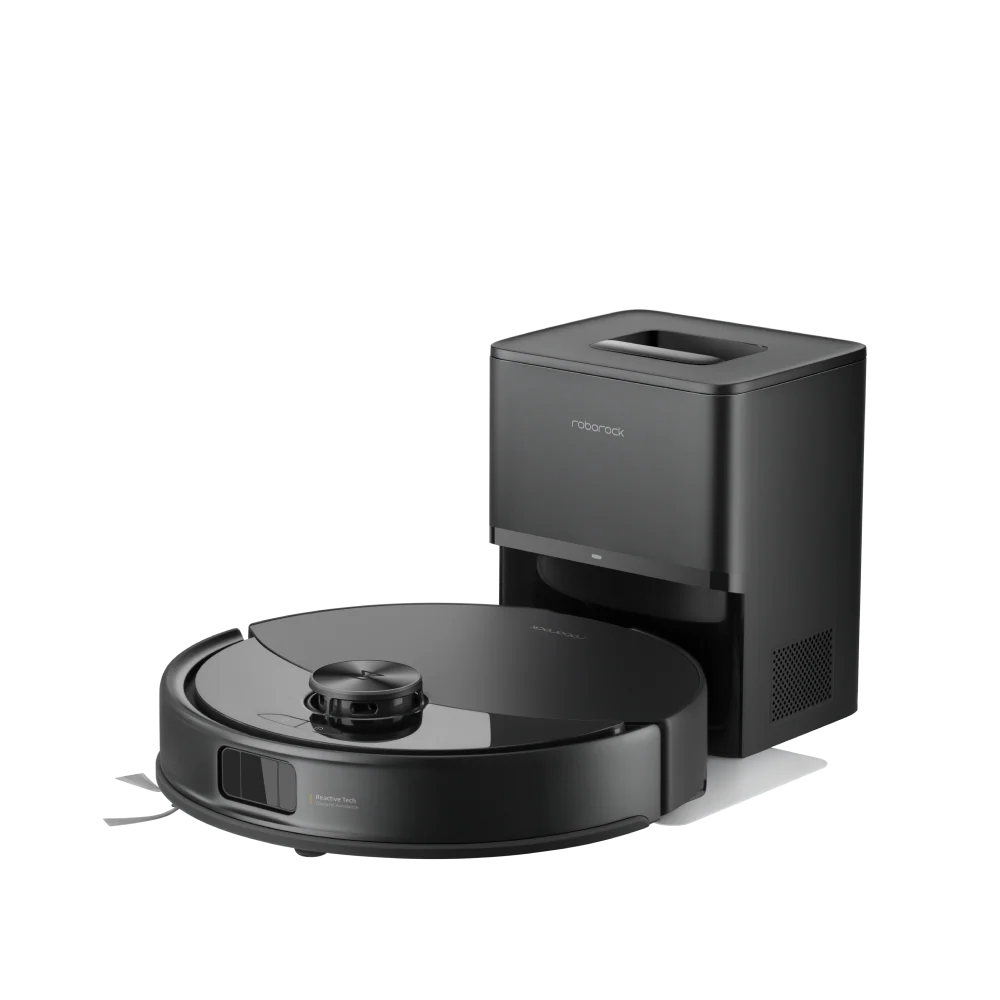
Roborock Q10 S5+
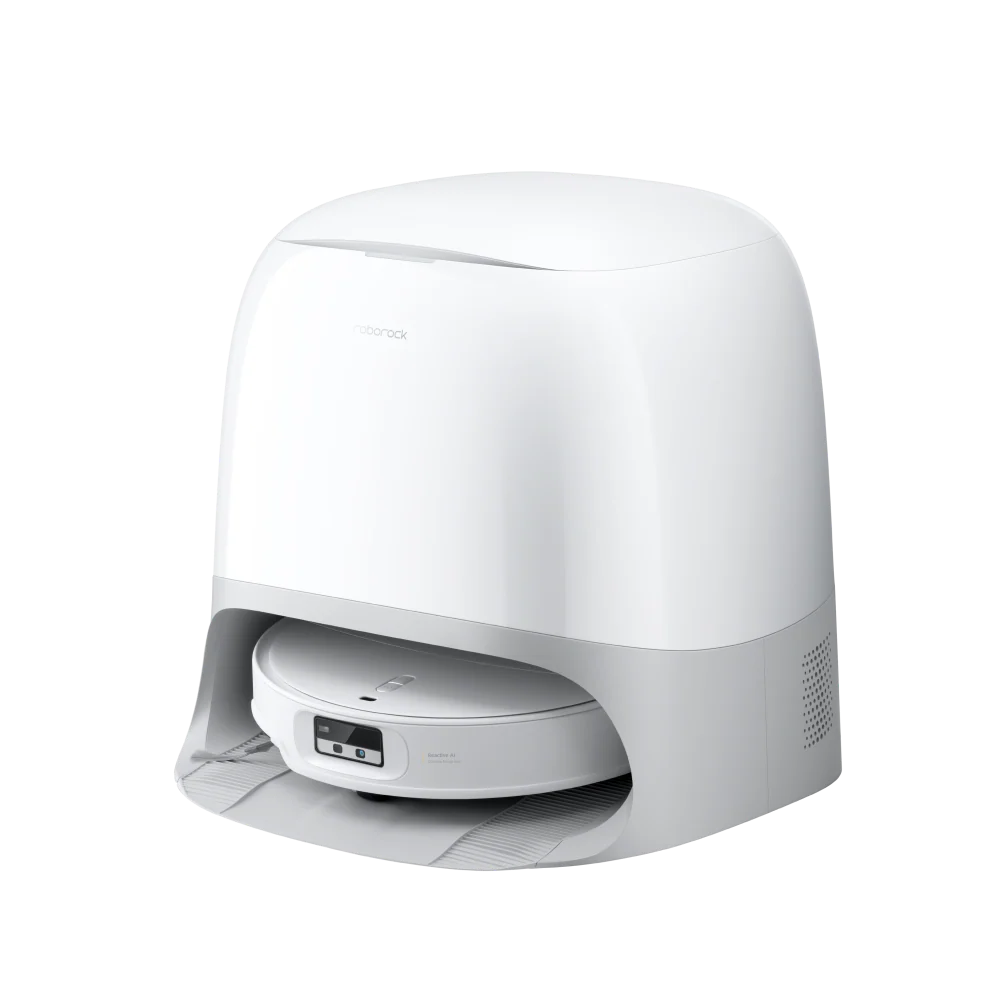
Roborock Qrevo Curv 2 Pro